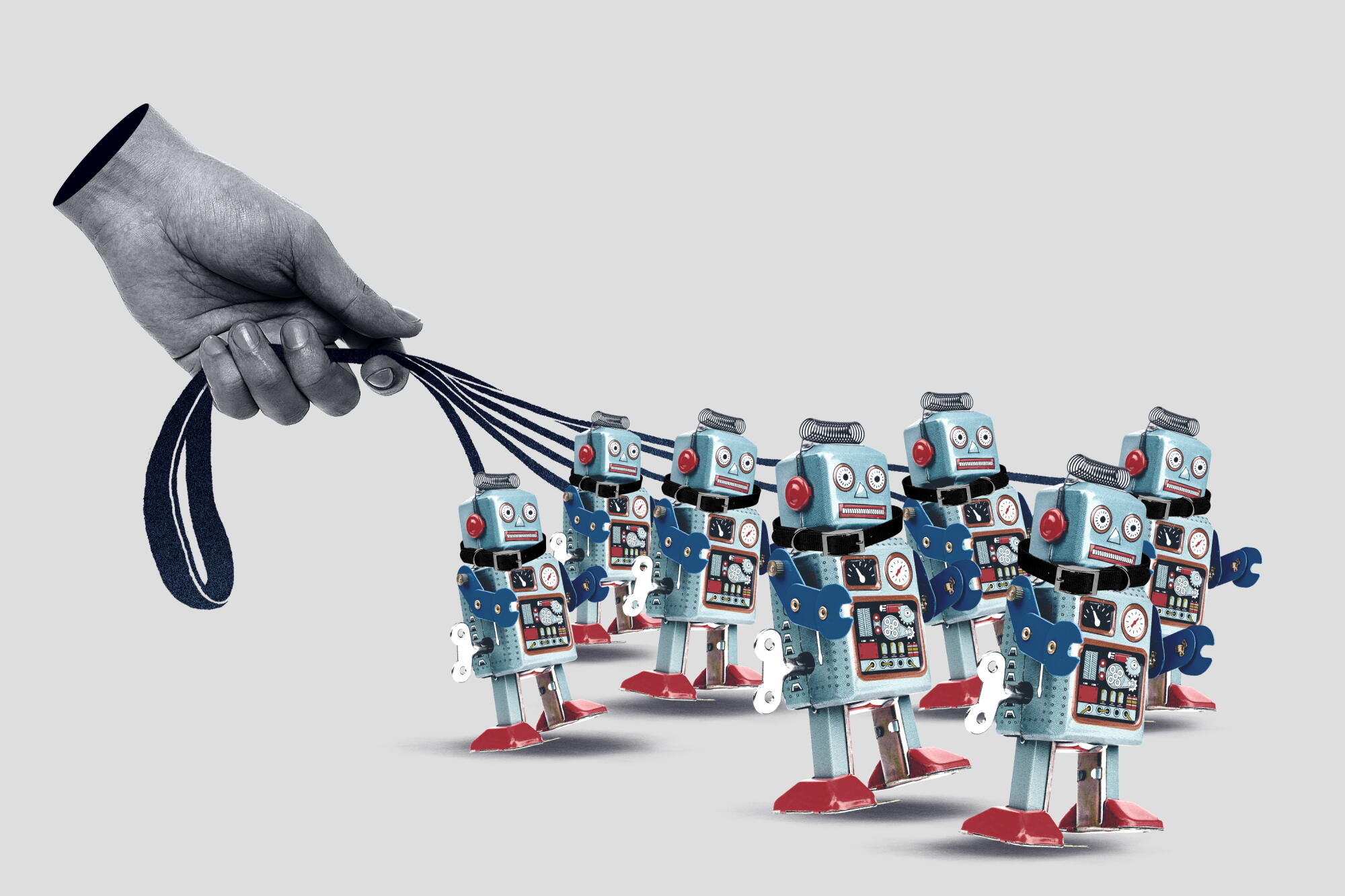
Introduction & Background
The world of computing is on the brink of a revolution, one that promises to transform industries, redefine problem-solving, and unlock capabilities beyond the reach of classical computers. At the heart of this transformation lies the convergence of two groundbreaking fields: quantum computing and artificial intelligence (AI). While AI has already begun reshaping how we interact with technology, quantum computing introduces a new paradigm by harnessing the principles of quantum mechanics to process information in ways that were once deemed impossible. Together, these technologies are poised to redefine the boundaries of what machines can achieve, from drug discovery and financial modeling to climate prediction and cybersecurity. As we stand at this technological crossroads, understanding the potential and challenges of Quantum AI becomes not just an academic pursuit, but a necessity for businesses, researchers, and policymakers alike. This article explores the future of computing through the lens of Quantum AI, shedding light on its core concepts, real-world applications, and the road ahead.
Concept & Overview
Quantum AI represents the fusion of quantum computing and artificial intelligence, creating a synergistic relationship where each field enhances the capabilities of the other. To grasp its significance, it is essential to understand the foundational principles of both disciplines and how they complement one another.
Quantum computing leverages the peculiar properties of quantum bits, or qubits, which can exist in multiple states simultaneously thanks to a phenomenon known as superposition. Unlike classical bits that are strictly binary (0 or 1), qubits can be in a state of 0, 1, or any quantum superposition of these states. This allows quantum computers to process vast amounts of possibilities in parallel, dramatically accelerating computations for specific problems. Another critical principle is entanglement, where qubits become interconnected such that the state of one instantly influences the state of another, regardless of distance. This enables highly efficient information transfer and correlation, which is invaluable for complex calculations.
Artificial intelligence, on the other hand, focuses on creating systems that can perform tasks typically requiring human intelligence. These tasks include learning, reasoning, problem-solving, perception, and decision-making. Traditional AI systems rely on classical computers and algorithms that process data sequentially or in parallel but are constrained by the limitations of binary logic. When AI is integrated with quantum computing, the resulting Quantum AI systems can analyze data and optimize solutions at speeds and scales previously unattainable. Quantum machine learning, a subset of Quantum AI, uses quantum algorithms to enhance traditional machine learning models, enabling faster training, better pattern recognition, and more accurate predictions. Together, these technologies aim to solve problems that are intractable for classical systems, such as optimizing large-scale logistics, simulating molecular structures for drug development, or cracking encryption protocols.
Key Features & Highlights
- Exponential Speedup: Quantum AI can perform certain calculations exponentially faster than classical computers. For example, Shor’s algorithm for integer factorization and Grover’s algorithm for database search demonstrate how quantum computers can outperform classical counterparts in specific scenarios.
- Parallelism Through Superposition: By leveraging superposition, quantum computers can evaluate multiple solutions simultaneously. This parallelism is particularly beneficial for optimization problems, such as route planning or portfolio management, where finding the best solution among countless possibilities is critical.
- Enhanced Machine Learning: Quantum machine learning algorithms can process and analyze large datasets more efficiently. Quantum versions of support vector machines, neural networks, and clustering algorithms are being developed to improve accuracy and reduce training times in AI models.
- Quantum Entanglement for Secure Communication: Quantum entanglement enables the creation of quantum networks that are theoretically unhackable. Quantum key distribution (QKD) uses entangled particles to securely exchange encryption keys, ensuring data privacy in an era of growing cyber threats.
- Simulation of Quantum Systems: Quantum AI excels at simulating quantum systems, such as molecular interactions or chemical reactions. This capability is invaluable for industries like pharmaceuticals and materials science, where understanding quantum behavior is essential for innovation.
- Real-time Decision Making: Quantum AI can process real-time data streams and make instantaneous decisions. This is particularly useful in fields such as autonomous vehicles, financial trading, and emergency response systems, where timely and accurate decisions are crucial.
- Hybrid Quantum-Classical Systems: Not all problems require full quantum computing power. Hybrid quantum-classical systems combine the strengths of both paradigms, using classical systems for tasks they handle well and quantum systems for optimization and simulation tasks that benefit from quantum speedups.
Frequently Asked Questions / Pros & Cons
What is Quantum AI, and how does it differ from classical AI?
Quantum AI combines quantum computing with artificial intelligence to create systems that can process information using quantum mechanics. Unlike classical AI, which relies on binary logic and sequential processing, Quantum AI uses qubits, superposition, and entanglement to perform calculations in parallel and solve problems more efficiently. While classical AI is powerful for pattern recognition and decision-making, Quantum AI extends these capabilities by enabling faster computations for specific tasks, such as optimization and simulation.
What are the main challenges in developing Quantum AI systems?
Several challenges hinder the widespread adoption of Quantum AI. First, quantum computers are highly sensitive to their environment, requiring extremely low temperatures and advanced shielding to maintain quantum coherence. This makes them expensive and difficult to scale. Second, error rates in quantum computations are high due to decoherence and noise, necessitating sophisticated error correction techniques. Third, the lack of standardized programming frameworks and tools for quantum development poses a barrier for researchers and developers. Finally, the current generation of quantum computers, known as Noisy Intermediate-Scale Quantum (NISQ) devices, lacks the qubit count and stability needed for practical Quantum AI applications.
What are the potential benefits of Quantum AI for businesses?
Quantum AI offers businesses transformative benefits across multiple sectors. In finance, it can optimize trading strategies, detect fraud in real-time, and improve risk assessment models. In healthcare, it can accelerate drug discovery by simulating molecular interactions and analyzing genetic data to develop personalized treatments. In logistics, Quantum AI can optimize supply chains, reduce costs, and enhance delivery routes. In cybersecurity, it can strengthen encryption and protect sensitive data from cyberattacks. Additionally, Quantum AI can drive innovation in materials science, climate modeling, and artificial general intelligence, opening new avenues for growth and competitiveness.
Will Quantum AI replace classical AI entirely?
No, Quantum AI is not expected to replace classical AI entirely. Instead, it will complement classical AI by handling specific tasks that benefit from quantum speedups, such as optimization, simulation, and cryptography. Classical AI will continue to dominate areas where interpretability, scalability, and cost-effectiveness are critical, such as natural language processing, image recognition, and recommendation systems. The future lies in hybrid systems that leverage the strengths of both paradigms, enabling more powerful and versatile AI applications.
How soon can we expect commercially viable Quantum AI applications?
The timeline for commercially viable Quantum AI applications depends on advancements in quantum hardware, software, and algorithm development. While some niche applications, such as quantum simulations for chemistry, are already being explored, widespread adoption is likely to occur in stages. Analysts predict that within the next five to ten years, we may see early commercial applications in industries like finance, materials science, and pharmaceuticals. However, achieving large-scale, fault-tolerant quantum computers capable of running robust Quantum AI systems may take several decades. Collaboration among academia, industry, and governments will be crucial to accelerating progress.
What ethical concerns arise from Quantum AI?
Quantum AI raises several ethical concerns, particularly in the realms of privacy, security, and fairness. Quantum computing has the potential to break widely used encryption algorithms, such as RSA, which could compromise the security of digital communications and financial transactions. This necessitates the development of post-quantum cryptography to safeguard sensitive data. Additionally, Quantum AI could exacerbate biases in decision-making processes if not carefully designed and regulated. The technology’s ability to analyze vast datasets and make predictions raises questions about transparency, accountability, and the potential for misuse. Policymakers and ethicists must work together to establish guidelines that ensure Quantum AI is developed and deployed responsibly.
Practical Guidance & Solutions
As Quantum AI continues to evolve, businesses and researchers must adopt a proactive approach to harness its potential while mitigating risks. The following guidance provides actionable steps to navigate this emerging field effectively.
Start with Education and Awareness: Before diving into Quantum AI, it is essential to build a foundational understanding of both quantum computing and AI. Organizations should invest in training programs and workshops to upskill their teams. Online courses, webinars, and certifications from institutions like IBM Quantum, Qiskit, and D-Wave can provide valuable insights. Additionally, attending conferences and engaging with the quantum research community can help stay updated on the latest developments.
Identify Use Cases with High Quantum Advantage: Not all problems will benefit from Quantum AI. Businesses should focus on identifying specific use cases where quantum computing offers a clear advantage over classical methods. Areas such as optimization, simulation, and cryptography are prime candidates. For example, logistics companies can explore quantum algorithms to optimize delivery routes, while pharmaceutical firms can use quantum simulations to design new drugs. Conducting pilot projects and proofs of concept can help evaluate the feasibility and potential ROI of Quantum AI initiatives.
Collaborate with Experts and Partners: Given the complexity of Quantum AI, collaboration is key. Partnering with academic institutions, research labs, and quantum computing companies can provide access to cutting-edge tools and expertise. Collaborative initiatives, such as IBM’s Quantum Network or the QED-C consortium, offer platforms for businesses to engage with the quantum ecosystem. Additionally, working with AI and quantum startups can accelerate innovation and reduce development costs.
Invest in Hybrid Solutions: Since fully fault-tolerant quantum computers are still years away, businesses should consider adopting hybrid quantum-classical systems. These systems leverage classical infrastructure for tasks it handles well while offloading quantum-specific computations to available quantum processors. Platforms like Qiskit, Cirq, and PennyLane provide frameworks for developing hybrid algorithms that can run on both classical and quantum hardware. This approach allows organizations to gain practical experience with Quantum AI without waiting for large-scale quantum computers.
Address Ethical and Security Concerns Proactively: To ensure responsible development, businesses must prioritize ethical considerations and security implications. Implementing post-quantum cryptography standards, such as those outlined by NIST, can protect data against future quantum threats. Establishing ethical guidelines for data usage and AI decision-making is also crucial. Transparency in algorithms, bias mitigation techniques, and regular audits can foster trust and accountability. Engaging with policymakers and industry consortia can help shape regulations that promote innovation while safeguarding societal interests.
Monitor Technological Advancements: The quantum computing landscape is rapidly evolving, with breakthroughs occurring frequently. Businesses should stay informed about advancements in hardware, such as superconducting qubits, trapped ions, and topological qubits, as well as improvements in error correction and algorithm efficiency. Following industry publications, subscribing to research newsletters, and participating in forums can provide early insights into emerging trends and opportunities.
Conclusion
The future of computing is being rewritten by the powerful synergy between quantum computing and artificial intelligence. Quantum AI holds the promise of solving some of humanity’s most complex challenges, from revolutionizing healthcare to securing global communications and optimizing industries at an unprecedented scale. While the journey toward fully realized Quantum AI systems is still in its early stages, the progress made so far is nothing short of extraordinary. As quantum hardware matures, algorithms become more sophisticated, and ethical frameworks take shape, Quantum AI will transition from a theoretical marvel to a practical tool that reshapes economies and societies.
For businesses, researchers, and governments, the call to action is clear: invest in understanding, experimentation, and collaboration. The organizations that embrace Quantum AI today will be the ones leading the technological frontier tomorrow. The fusion of quantum and AI is not just about faster computers or smarter algorithms. It is about unlocking new dimensions of knowledge, creativity, and problem-solving that will define the next era of human progress. The future of computing is quantum, and the time to prepare for it is now.
About the Author