
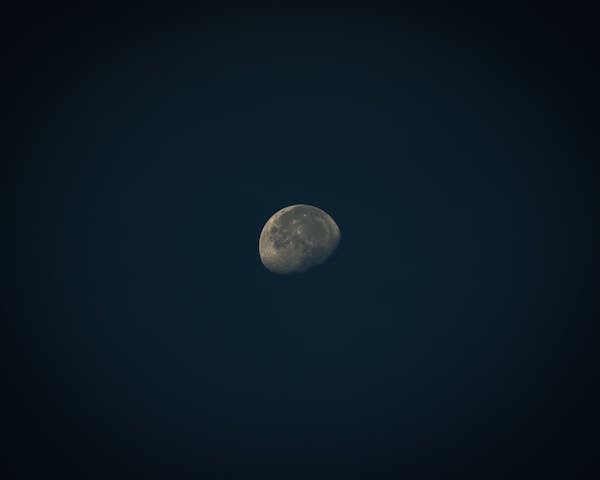
What is a Lunar Eclipse?
A lunar eclipse occurs when the Earth passes directly between the Sun and the Moon, blocking sunlight from reaching the Moon. There are three types of lunar eclipses: total, partial, and penumbral. In a total lunar eclipse, the Earth’s umbra (the central, darkest part of its shadow) covers the Moon, giving it a deep red or copper hue, often referred to as a “blood moon.” A partial lunar eclipse occurs when only a portion of the Moon enters the umbra, leaving part of the Moon in shadow while the rest remains illuminated. The penumbral lunar eclipse is subtler, as the Moon only passes through the penumbra (the lighter outer shadow), causing a slight dimming.
When Will Lunar Eclipses Occur in 2024?
The year 2024 will feature two lunar eclipses, each offering unique viewing experiences. The first lunar eclipse will occur on March 25, 2024. This will be a penumbral lunar eclipse, and it will be visible in parts of Europe, Africa, and Asia. Though less dramatic than a total or partial eclipse, the penumbral eclipse on this date will still provide a fascinating spectacle as the Moon subtly darkens as it moves through the Earth’s penumbral shadow.
Later in the year, on September 18, 2024, the second lunar eclipse will grace the night sky. This event will be a partial lunar eclipse and will be visible across much of North America, South America, and parts of Western Europe and Africa. During this eclipse, a portion of the Moon will pass into the Earth’s umbra, creating a striking contrast between the shadowed and illuminated parts of the lunar surface.
Where to See Lunar Eclipses in 2024?
Viewing locations are crucial for a memorable experience of lunar eclipses. The penumbral lunar eclipse in March will be best observed in regions where the eclipse coincides with nightfall. Europe, Africa, and Asia will offer prime viewing locations, with the best visibility in areas where the Moon is high in the sky.
For the partial lunar eclipse in September, observers in North America and South America will have front-row seats. The eclipse will occur late at night, making it easier for enthusiasts to find dark, clear skies to enjoy the show. For those in Western Europe and Africa, the eclipse will take place closer to dawn, making it a more challenging but equally rewarding experience.
How to See Lunar Eclipses in 2024?
Witnessing a lunar eclipse requires little more than clear skies and a good vantage point. However, there are ways to enhance the experience. For the best viewing, find an area away from city lights, where the night sky is free from light pollution. Rural areas, national parks, or even suburban locations with minimal light interference are ideal.
For those interested in capturing the event, a camera with a telephoto lens is recommended. A tripod will also help stabilize the shot, especially during the longer exposures needed to photograph the eclipse. Binoculars or a telescope can provide a closer view, revealing the intricate details of the lunar surface as it transitions through the different phases of the eclipse.
Understanding the Science Behind Lunar Eclipses
Lunar eclipses offer a unique opportunity to understand more about our celestial environment. The process of the Earth casting its shadow on the Moon allows for a better comprehension of the dynamics of our planet’s orbit. The reddish tint observed during a total lunar eclipse, caused by Rayleigh scattering (the same phenomenon that makes sunsets red), is a stunning reminder of the interconnectedness of our atmosphere and the cosmos.
Each eclipse also serves as a reminder of the cyclical nature of celestial events. Eclipses occur in cycles known as saros cycles, which repeat every 18 years, 11 days, and 8 hours. This periodicity is due to the synchronization of the Moon’s orbit around the Earth, the Earth’s orbit around the Sun, and the alignment of the three bodies. Understanding these cycles allows astronomers to predict future eclipses with great accuracy.
Historical and Cultural Significance
Throughout history, lunar eclipses have been imbued with cultural and spiritual significance. Ancient civilizations often viewed eclipses with a mixture of reverence and fear. For example, the Inca believed that a lunar eclipse was caused by a jaguar attacking the Moon, and they would make loud noises to scare the animal away. In contrast, the ancient Greeks were among the first to understand the true nature of eclipses, using them to estimate the size of the Earth.
In modern times, while the superstitions have faded, the fascination remains. Eclipses continue to draw the attention of scientists, amateur astronomers, and casual observers alike. They provide a moment to pause and reflect on the grandeur of the universe, offering a rare glimpse into the intricate dance of celestial bodies.
Conclusion
The lunar eclipses of 2024 promise to be extraordinary events for skywatchers around the world. Whether you are in Europe, Africa, Asia, or the Americas, these eclipses will offer a chance to connect with the cosmos and witness the Earth’s shadow at work. Lunar Eclipses 2024: When, Where & How to See Them will be a question on many enthusiasts’ minds as they prepare for these remarkable celestial displays. With a bit of planning and a sense of wonder, you can ensure that you don’t miss these awe-inspiring moments when the Moon takes center stage in the night sky.
4o
About the Author


